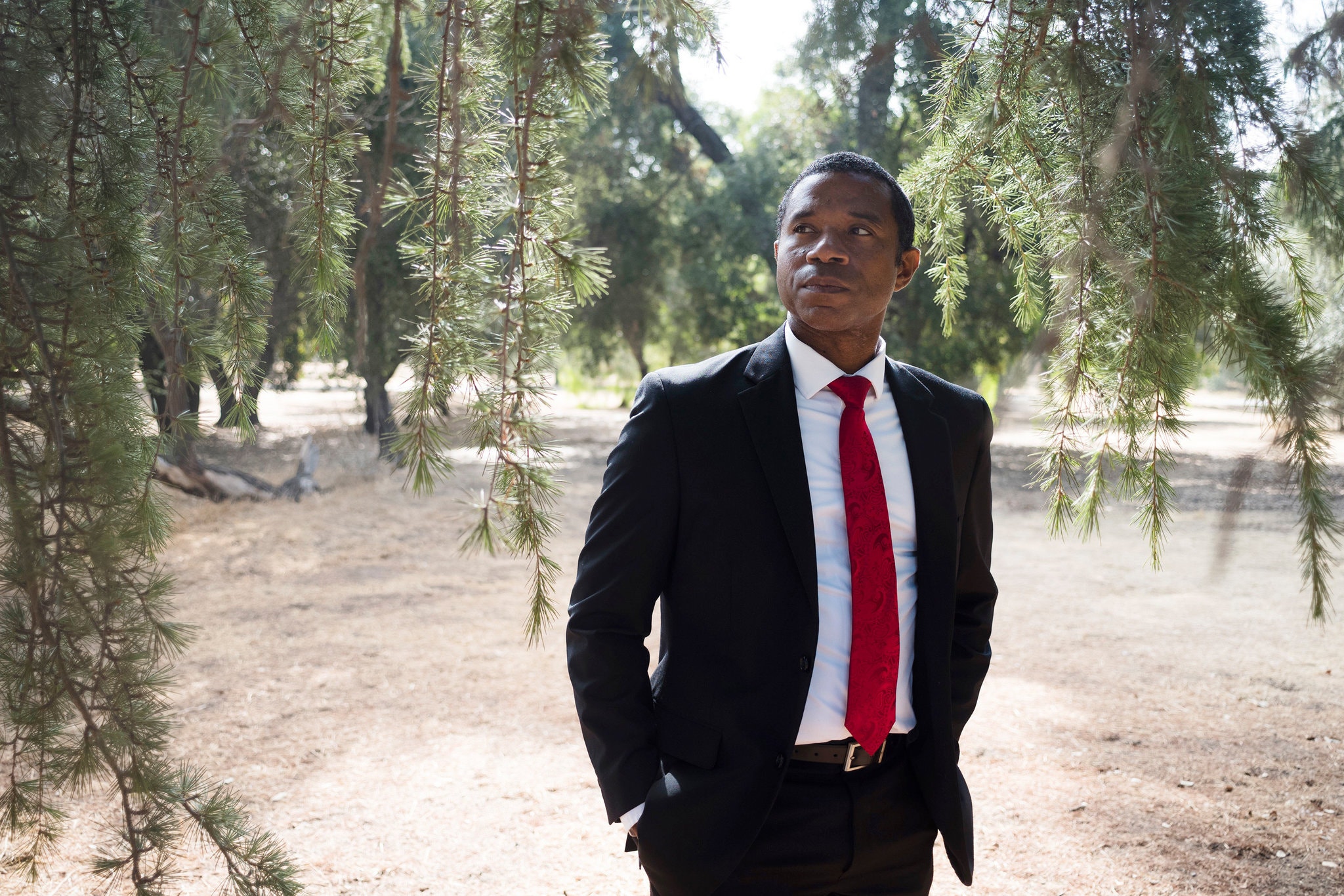
Black men have the lowest life expectancy of any ethnic group in the United States. Much of the gap is explained by greater rates of chronic illnesses such as diabetes and heart disease, which afflict poor and poorly educated black men in particular.
But why is that? Lack of insurance? Lack of access to health care?
Now, a group of researchers in California has demonstrated that another powerful force may be at work: a lack of black physicians.
In the study, black men seeing black male doctors
were much more likely to agree to certain preventive measures than were black men seeing doctors who were white or Asian.
Although 13 percent of the population is black in the United States, just 4 percent of doctors are black.
The study, published in June by the National Bureau for Economic Research, involved 702 black men in Oakland, Calif., who came to a clinic for a free health screening. They were randomly assigned to a black male doctor or one who was white or Asian.
Neither the men nor the doctors knew that the purpose of the study was to ask if a doctor’s race mattered when he or she advised these patients. As it turned out, the racial effects were not subtle.
Diabetes screening was part of the health check, and 63 percent of the black men assigned to a black doctor agreed to the screening. But just 43 percent of those assigned to a doctor who was white or Asian consented to be screened.
Some 62 percent of black men with a black doctor agreed to cholesterol tests, compared to 36 percent assigned to a doctor who was not black.
“If their first reaction is, ‘No, I’m not interested in that,’ you must explore why they said no and address those concerns.”
Dr. ChaRandle Jordan
Previous studies have been observational — mostly searching earlier data for trends, a substantially weaker form of evidence — and their results mixed.
“It changed the way I think,” said Jonathan Skinner, a health care economist at Dartmouth College, about the new results. “This study convinced me that the effects are real.”
The researchers employed minority premedical students to recruit participants by visiting 20 barbershops and two flea markets in Oakland, offering black men vouchers for a free health screening.
The screening was at a clinic set up by the investigators and staffed by 14 black and nonblack doctors. The men were offered preventive measures like flu shots and screenings for blood pressure, cholesterol and diabetes.
The men who came to the clinic offered equal praise for their black, white and Asian doctors. But the patients were far more likely to consent to preventive care — screenings and vaccinations — when their doctor was also
If black patients were to agree to this preventive care at these rates in the real world, the gap in cardiovascular mortality between black men and the rest of the population could be reduced by 20 percent, the researchers estimated.
“I don’t think I have ever had such a strong result, so unambiguous,” said Dr. Marcella Alsan, an associate professor of medicine at Stanford University and an author of the study.
Why would black doctors have such an effect? Perhaps they used more nonverbal cues to communicate empathy, said Dr. Amber E. Barnato, a professor of medicine and health care delivery at Dartmouth College.
In another small
study, she used black and white actors to study white doctors’ interactions with patients at the end of life. Although the doctors said similar things to both black and white actors posing as patients, they stood closer to the white patients, made more eye contact, and touched them more often.
In the new study, Dr. Alsan and her colleagues did not record patient visits. But some hints of the differences could be seen in comments the patients and doctors wrote in evaluations of their experiences.